The AI adoption game board–marketing edition
Visual framework for marketing teams to prioritize AI initiatives and track implementation progress.

You are probably not exempt from at least a twinge of “fear of missing out” as AI use cases rip through social media and Slack groups. No matter how far along you think you are, everywhere you look, you seem to be behind. Thought leaders post lists of 100 prompts you hadn’t thought of, making you feel like you’ll never catch up.
We say, you don’t need all that. A half-implemented tool or half-functional workflow is about as useful as a flight halfway across the Atlantic. Far better to be selective and effective.
So what do marketers need to be seeing more results with AI? Frameworks. Examples. Step-by-step walkthroughs, workshops, and shared custom GPTs. And would it be too much to ask for it to be fun, too? Remember when marketing was fun? We’ve had dozens of conversations with marketers at venture-funded startups from Seed to Series B about what they’re implementing, how, why, and with what tools, and turned it into the simplest possible roadmap.
Where should you begin with AI in marketing?
The game is intentionally simple and designed to fit on one page. We didn’t want any complicated mechanics distracting from the core premise: You should build upon your initial modest AI use case wins so you can succeed at even bigger ones.The board features one path that snakes through three levels. To advance, you must successfully complete three use cases.
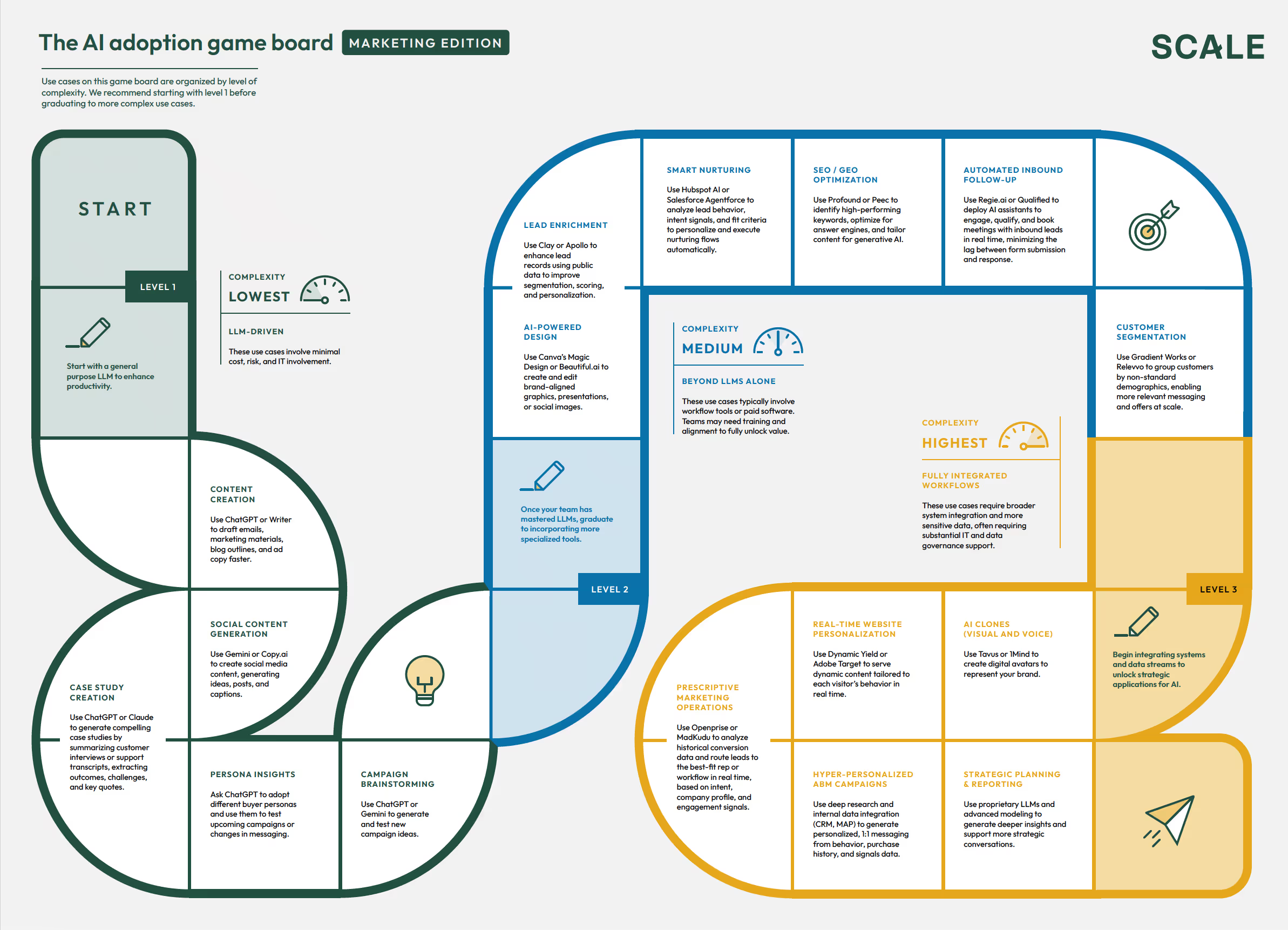
Let's explore each level
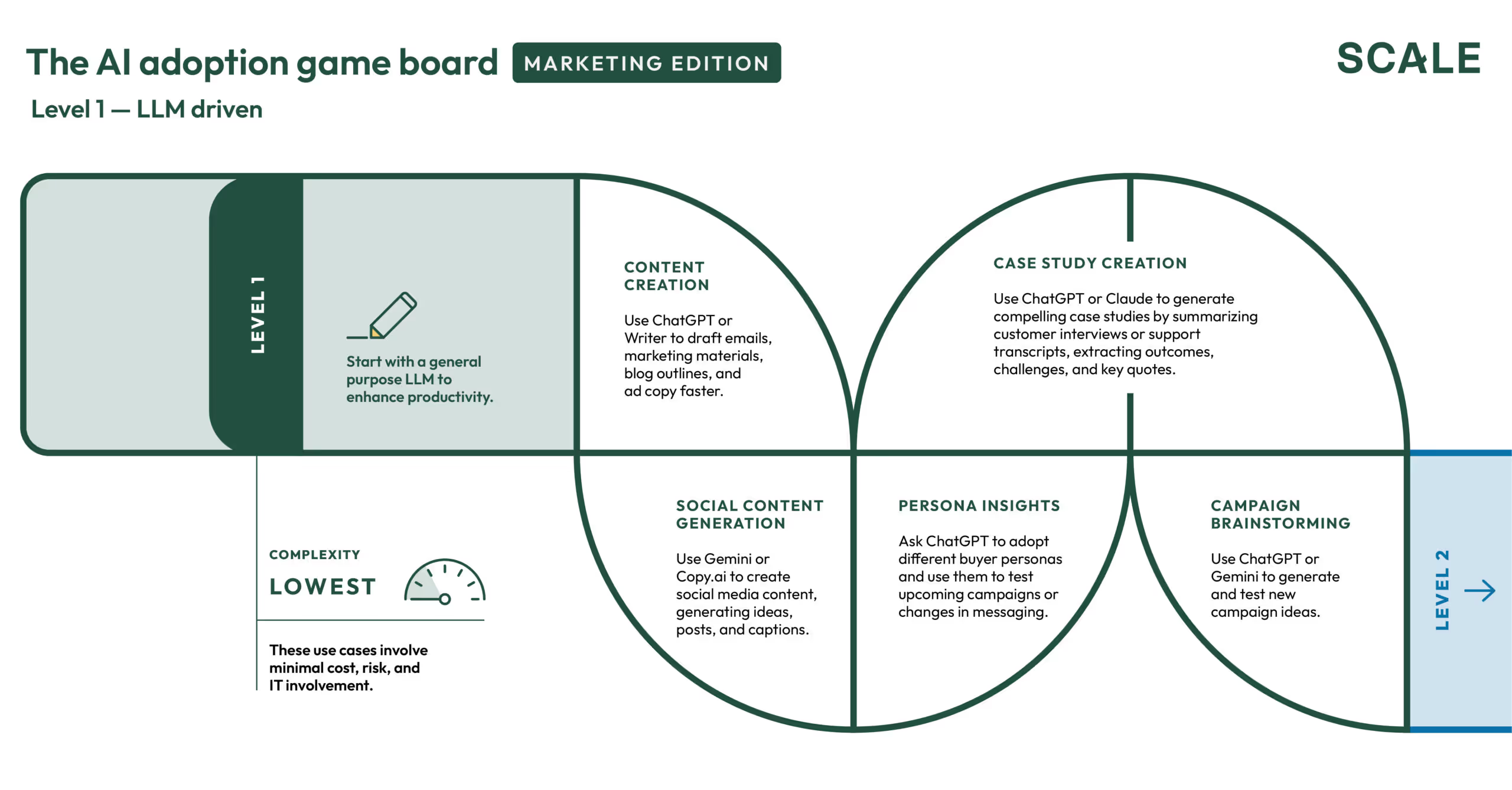
The first level is the lowest complexity with the lowest upside—it’s mostly entry-level prompting. But don’t mistake them for skippable. You’ll have to succeed at these tasks before you can take on more complex ones.
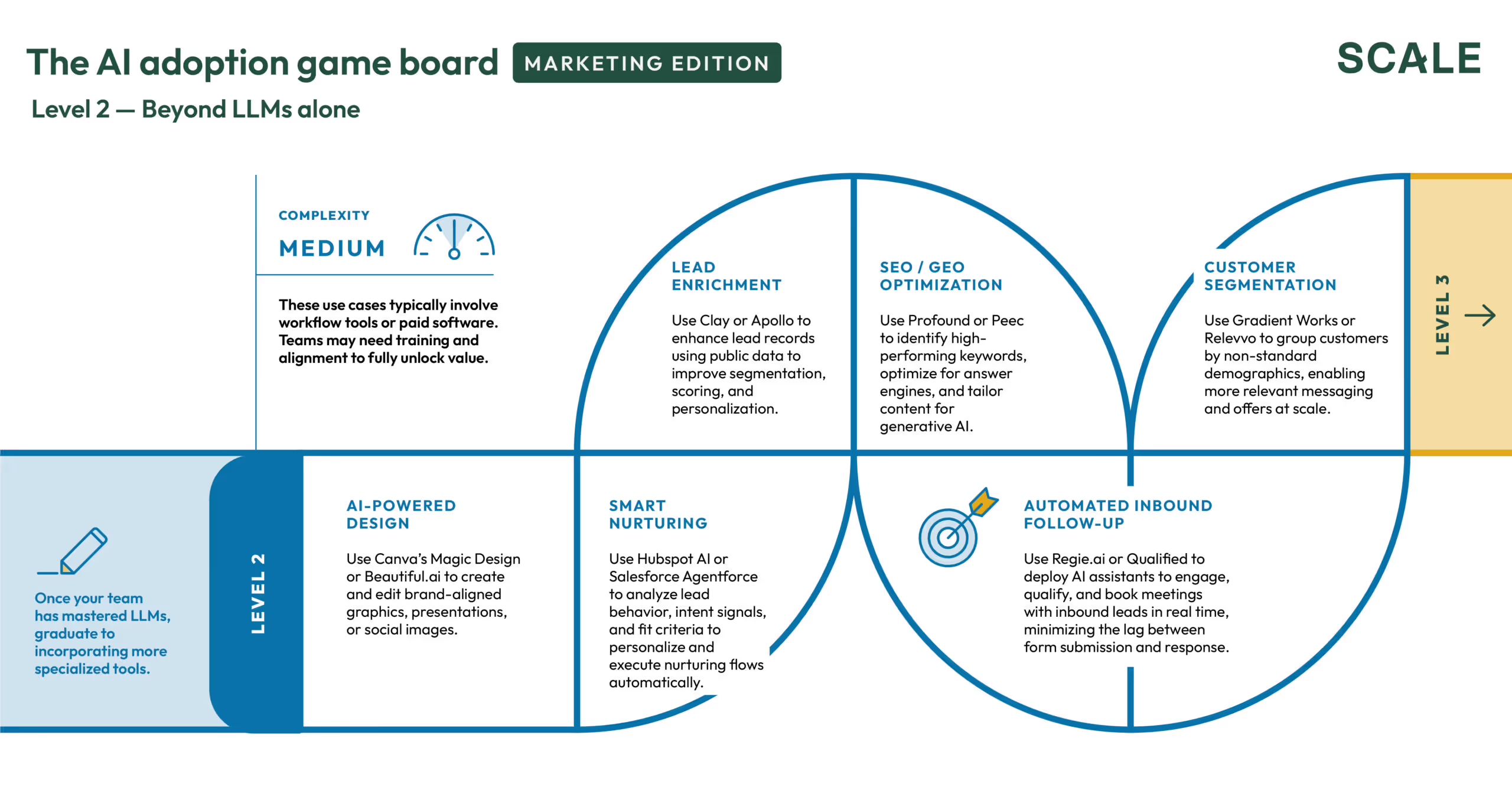
In the second level, you move on to workflows and use cases that typically involve paid software. Here, your team may need training to unlock AI’s value. For example, using smart nurturing, enriching leads, and bulk operations.
In the third level, you begin integrating systems and data to achieve even more. Here, you use AI personalization for the website and maybe ABM, and experiment with synthetic personas and voice clones.
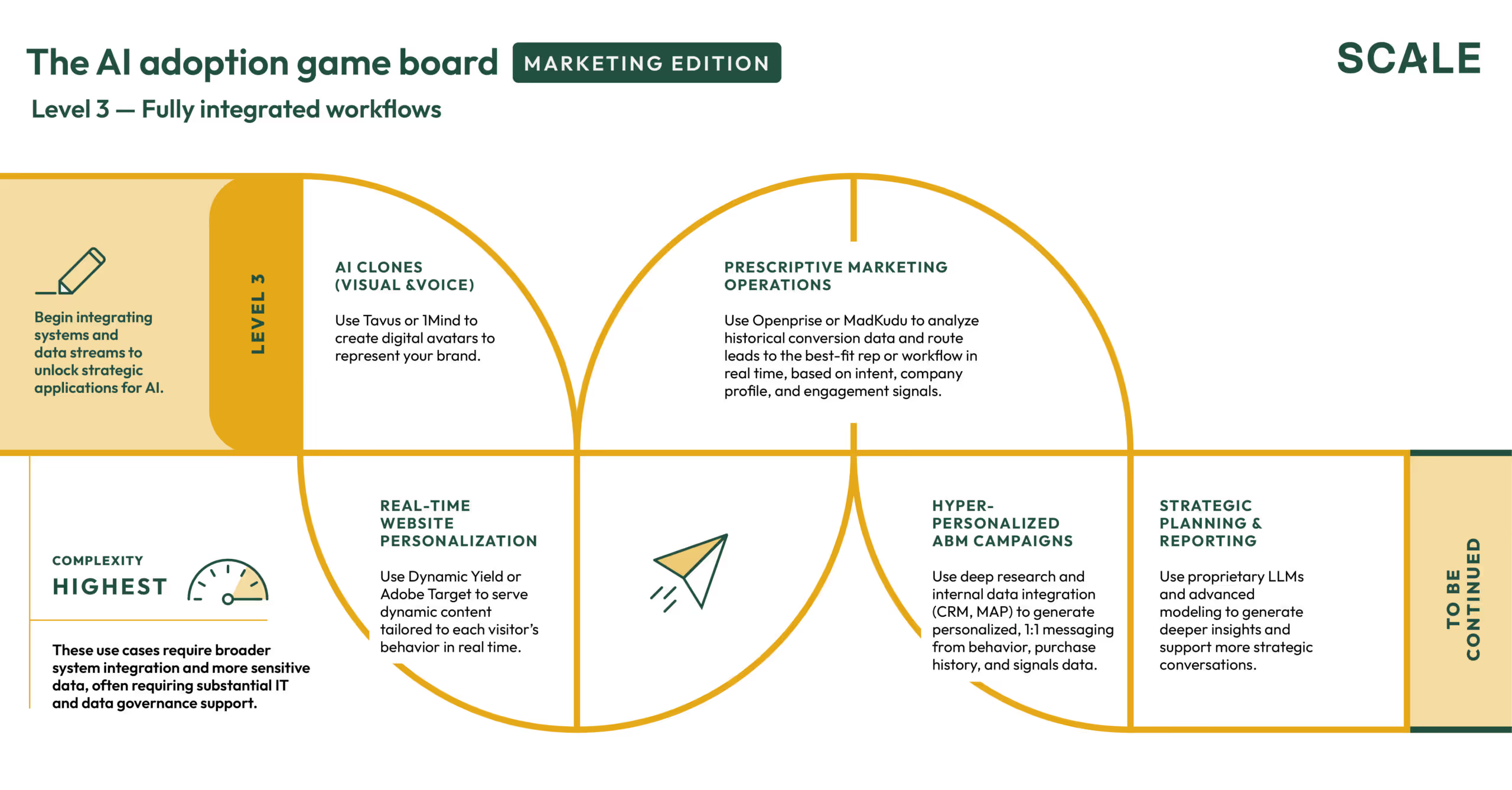
Why we find this board game useful
You do not need to be running 100 AI experiments. You need to be building a solid foundation where you’re gradually retiring tasks and improving the quality of your lists and analyses. Only with that foundation can you start to test automated workflows, with human checks of course. That’s why this board game is a useful roadmap—it is linear.Here’s an example where we have seen this logic apply: If you leap ahead to trying to automate SDR outreach but your LLM really has no idea about the complexities of why your buyer buys, the outputs will be generic and ineffective. Far better to build toward that use case by first trying to produce market research reports and messaging.Similarly, trying to jump to creating decks may not work if you have strict brand standards. But it becomes much easier if your team has practiced with creating low-risk graphics for social media.Of course, in reality, there isn’t one path to AI maturity. But it also doesn’t make sense for us to visualize the hundreds of possible paths because they are all learning steps toward a greater goal: Better identifying our buyers and helping them choose us. That’s the final square on the board.And once you complete it? There are always more squares. And hopefully by that time, we’ll use AI to generate them.
News from the Scale portfolio and firm