A financial leader’s guide to effective board reporting
Comprehensive board reporting guide for CFOs: metric selection, narrative development, and Q&A preparation.

Financial rigor is a sign of seriousness. If you want to convey to your board that you have things under control and are a responsible steward of their capital on its path to $1 billion, you must come prepared with clear, well-organized financial slides and an understanding of those underlying assumptions.The board will expect you to:
- Translate complexity into clarity.
- Highlight what matters.
- Help them make better decisions.
This only becomes more and more important as the company charges toward its Series A, when founder hustle gives way to team building and scaling. The board will expect increased financial rigor and data-backed storytelling. While the board deck may seem like just a deck, it is actually your greatest tool for building and maintaining that trust. This guide covers how to do that in the financial portion of your board report deck, as told by M.G. Thibaut, former CFO at DroneDeploy and Copper, and currently our CFO Executive in Residence at Scale Venture Partners.If you'd like to access a broader set of templated slides for your entire board deck, including GTM- and product-focused slides, find them here.
Aim for simplicity and clarity
Board reporting is, on the surface, creating a deck. But it’s really an exercise in getting clear on your business’ financial story such that you can even report it. The very act of having to report can help align your go-to-market team and help you identify and solve problems, as when you notice that you’re about to report a shortfall in pipeline. You can anticipate the board’s questions about what that means for next quarter and hold a strategy session with your head of marketing about what to do.
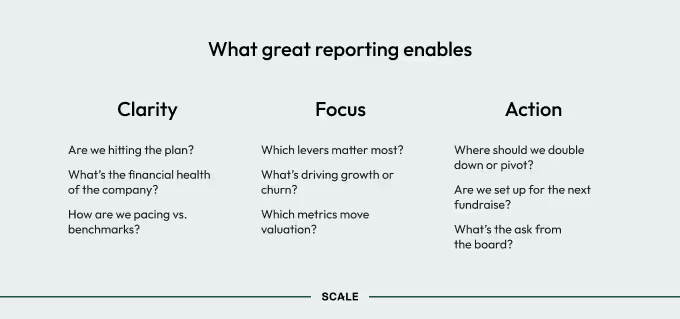
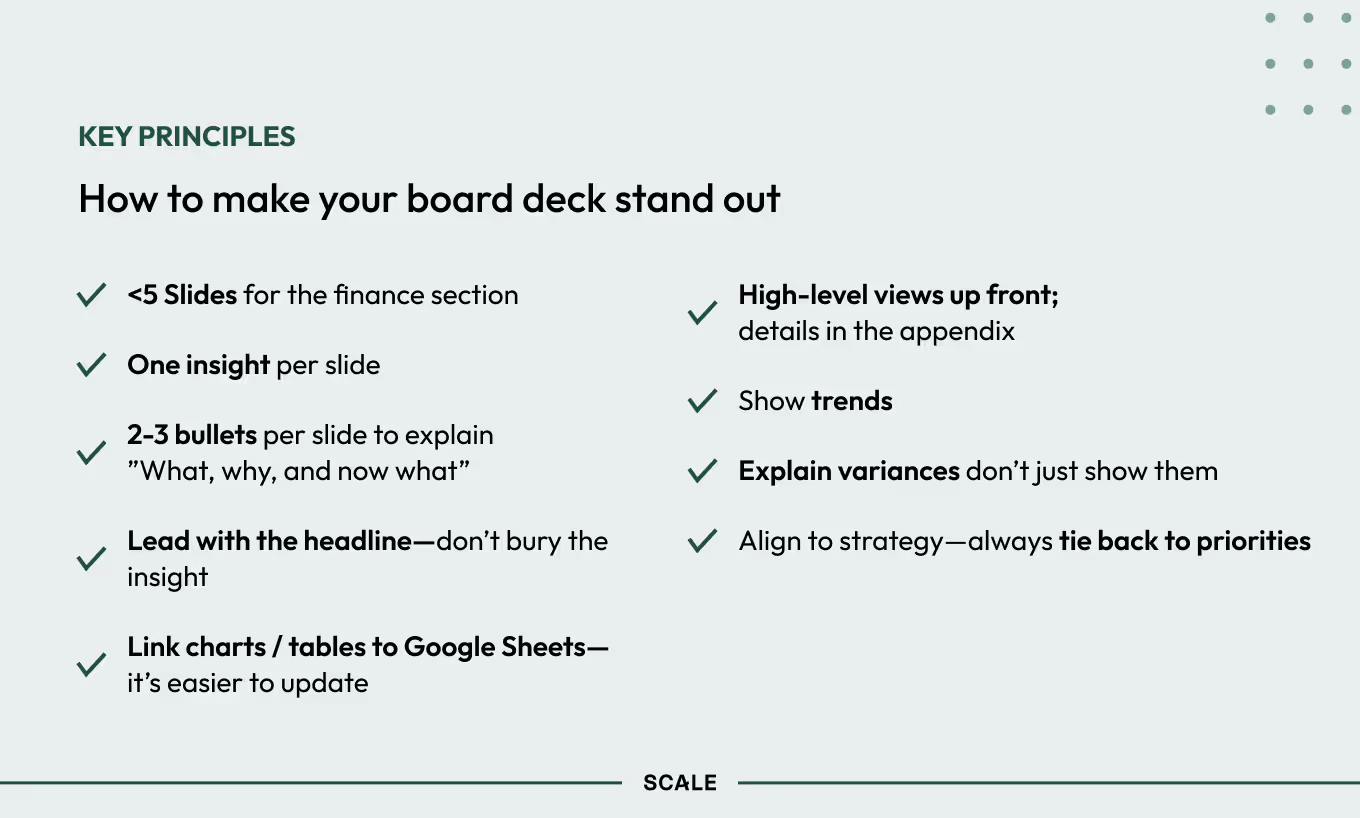
Keep your slides concise. The board should be able to understand at a glance and ask you for more information or clarification. You do not want the reverse: presenting so much that they can’t comment on it during the meeting. Also make your deck easy to update. You may have a preference for Excel, but with Google Sheets, you can connect your tables to Google slides and sync them. It’s possible, in this way, to make updates mid-meeting.
Show your thinking through what you choose to present
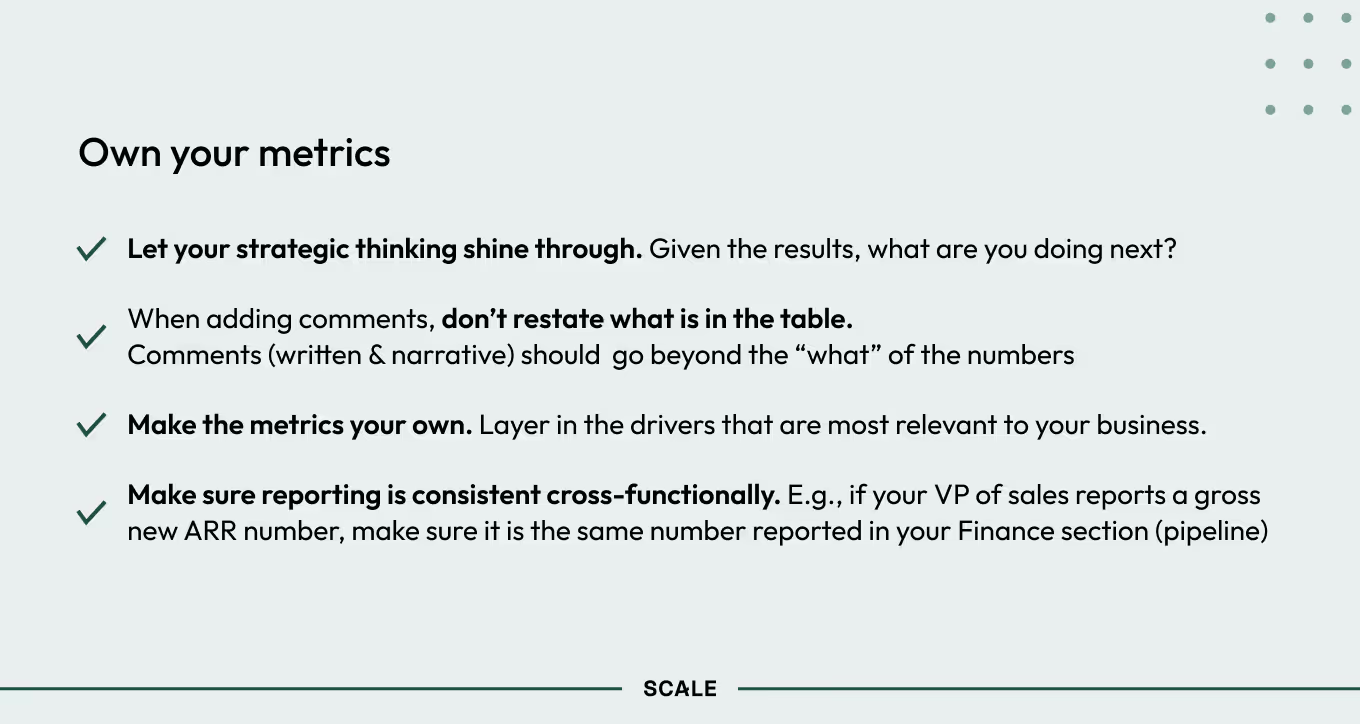
The presentation is not just about reporting numbers—it is an opportunity to show your strategic thinking. To explain the revenue waterfall and the impact of the business’ actions is to show a command over the levers that move the business. For example, deciding which metrics to report. Make the metrics your own and layer in the drivers most relevant to your business.“Let your strategic thinking shine through,” says M.G. “Given the results, what are you doing next?” The board expects you not to have to look around the table for someone else’s answer. The board also expects you to present metrics that connect to the strategic direction of the company. For example, if churn is increasing, you’ll want to speak to net recurring revenue and customer satisfaction more than customer cost of acquisition.Also ensure that your reporting is consistent cross-functionally. If your head of sales reports a gross new annual recurring revenue (ARR) number, ensure it is the same number that appears in your finance section.
Do not include everything--only what's important
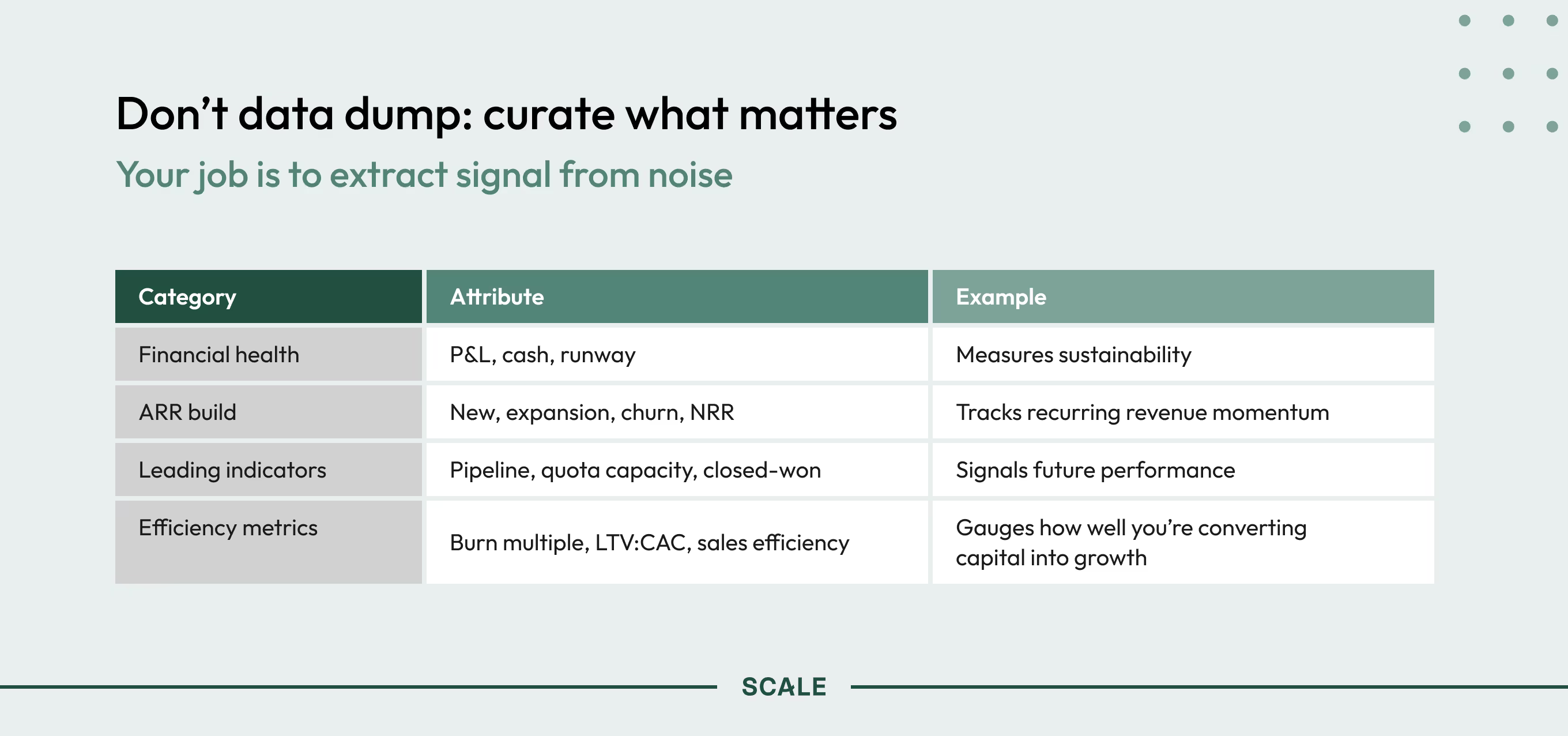
“Don’t dump data, curate what matters,” says M.G. “Your job is to extract the signals from the noise.” You want to be presenting what the board needs to hear—about momentum, growth, pipeline, and quota attainments. How well you are converting pipeline into closed-won business, and so on. In short, how well you are converting the capital you’ve raised into growth.
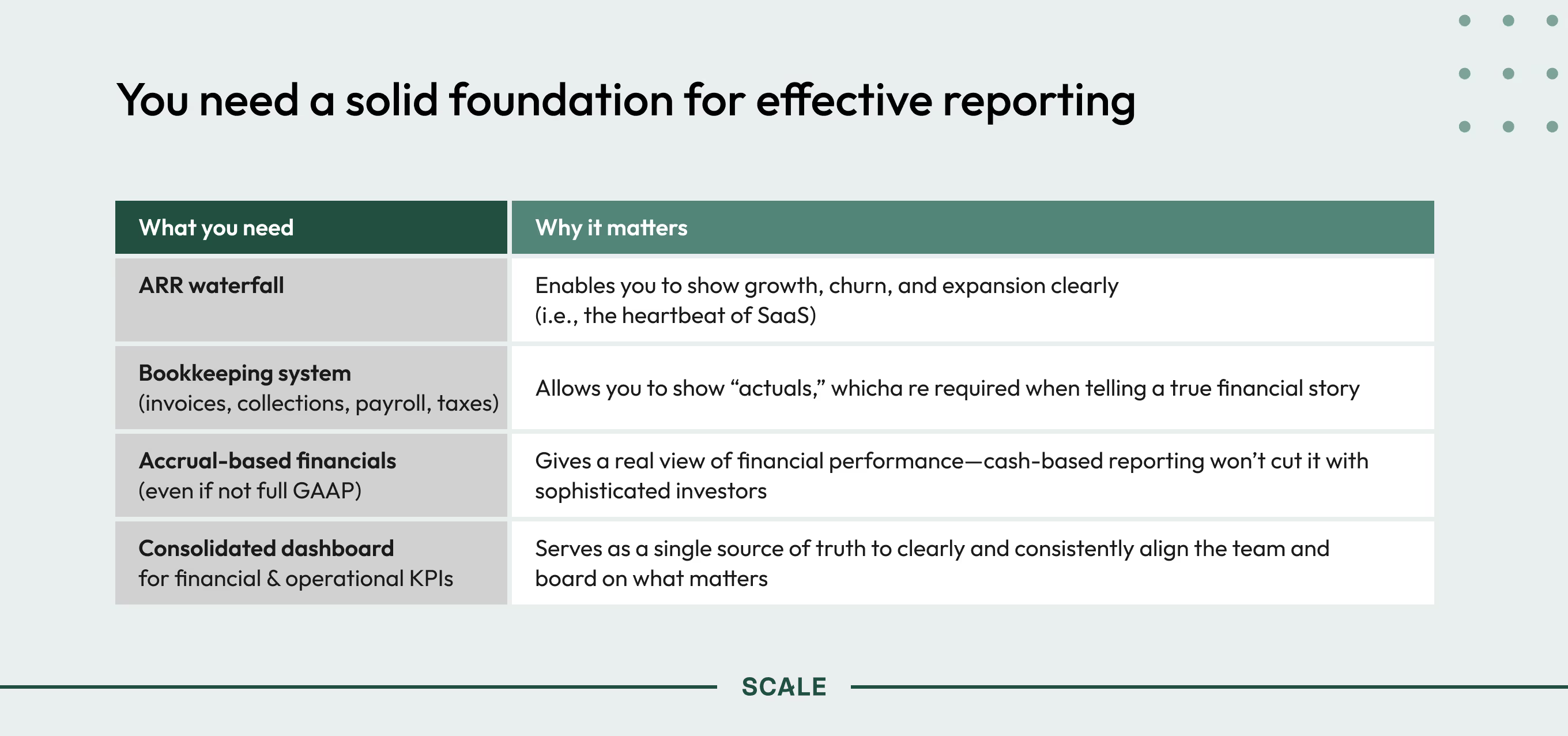
To do all this, you must have a solid foundation for effective board reporting
This means you’ll need to get the business on accrual financials, enact a solid period-end close process, produce actual financial statements, and maintain a dashboard of key indicators—for what good are numbers if people aren’t trying to influence them between board meetings? All this allows you to present the foundational numbers your board needs, like the ARR waterfall.
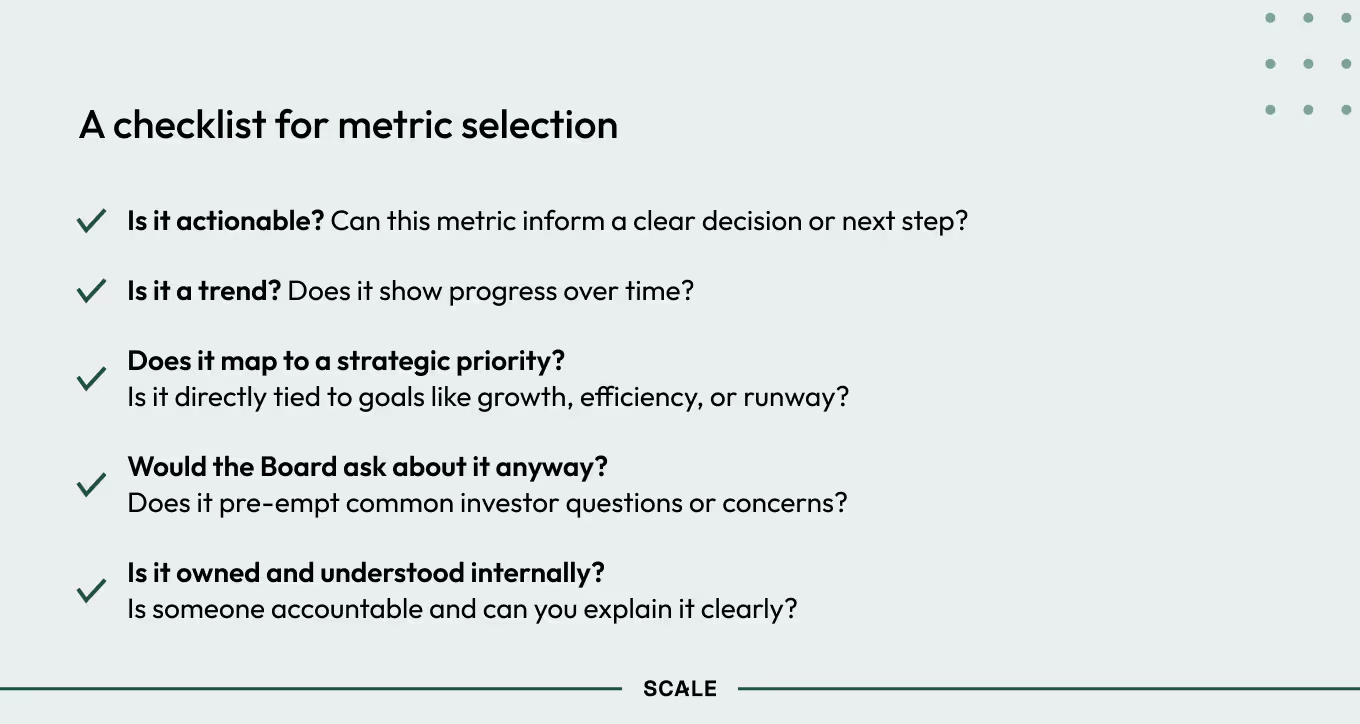
There are many metrics you could choose to track. How do you decide? Below is M.G.’s checklist. If something is important but not owned or understood internally, such as headcount or cost of acquisition, that’s an opportunity to bring to your executive team.
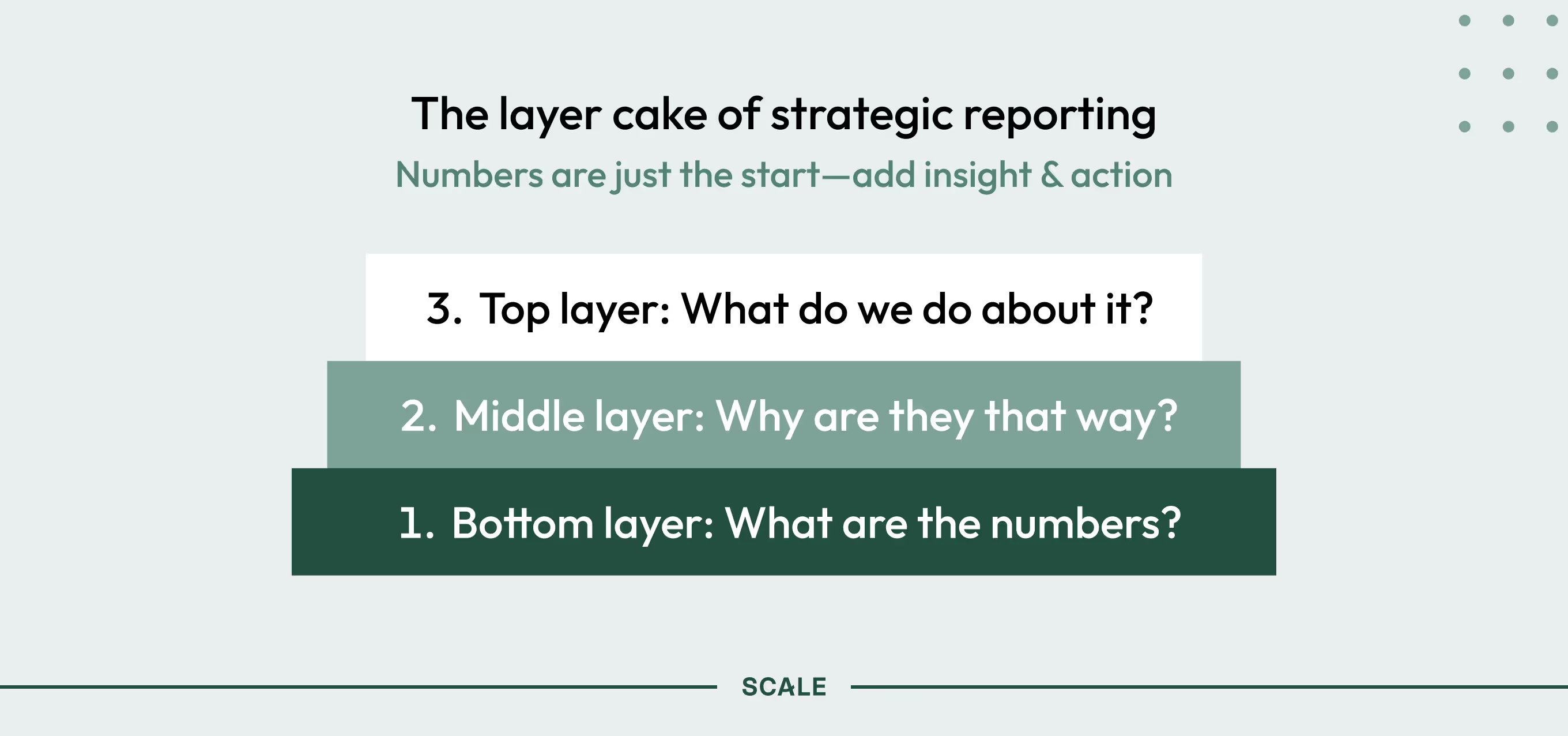
You'll be judged on your ability to judge the cake
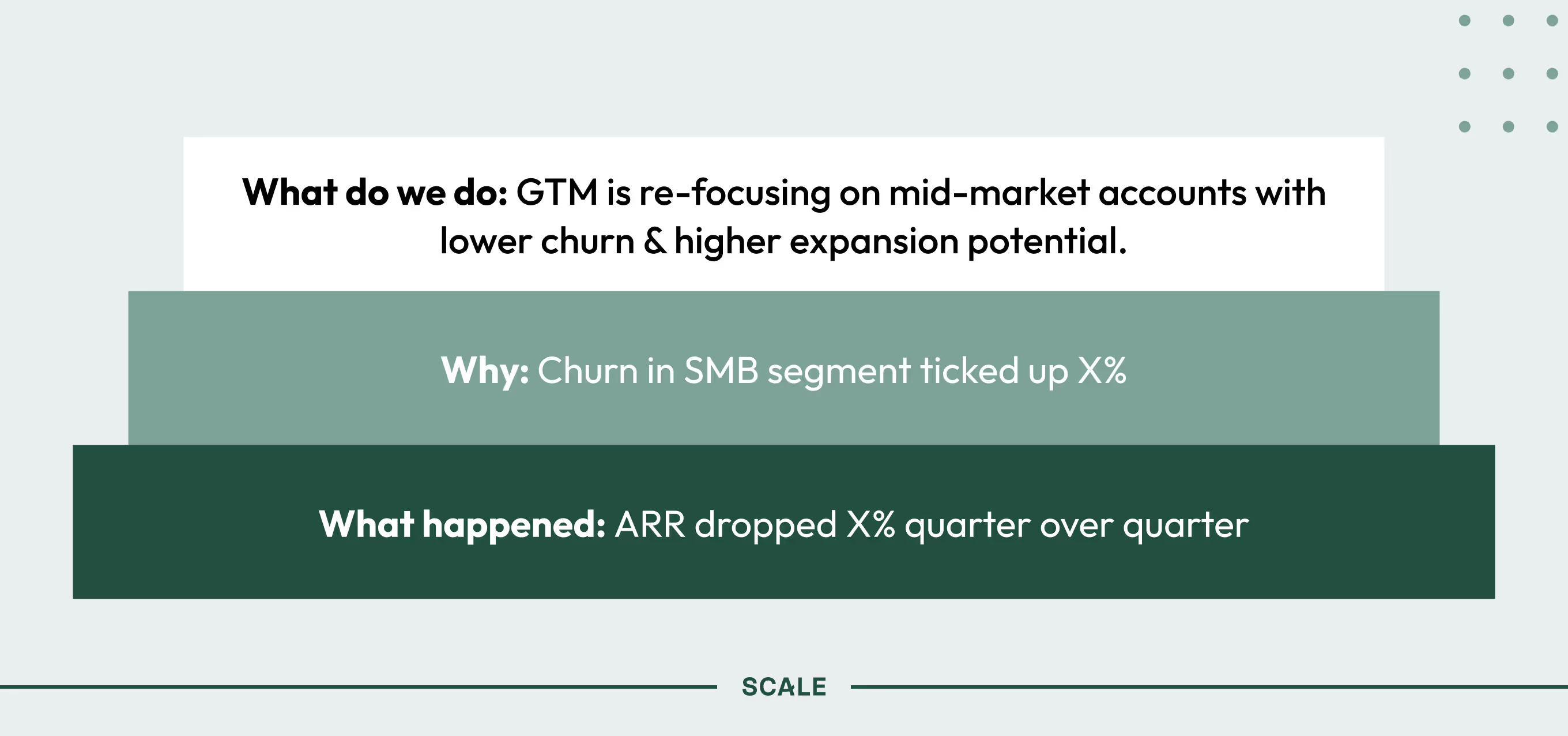
The bottom layer is where most financial executives spend their time—trying to put the reports, workflows, and integrations together to understand what is happening. But it is the top of the cake that demands most of your attention, and what the board most needs to know. The bottom two layers only matter insofar as they enable you to speak to the top.In this diagram, answers flow up. Yes, you know what the numbers are, and you’ve chased down the implications. But what is the business going to do about it? On what timeline? And how will you measure progress toward that?
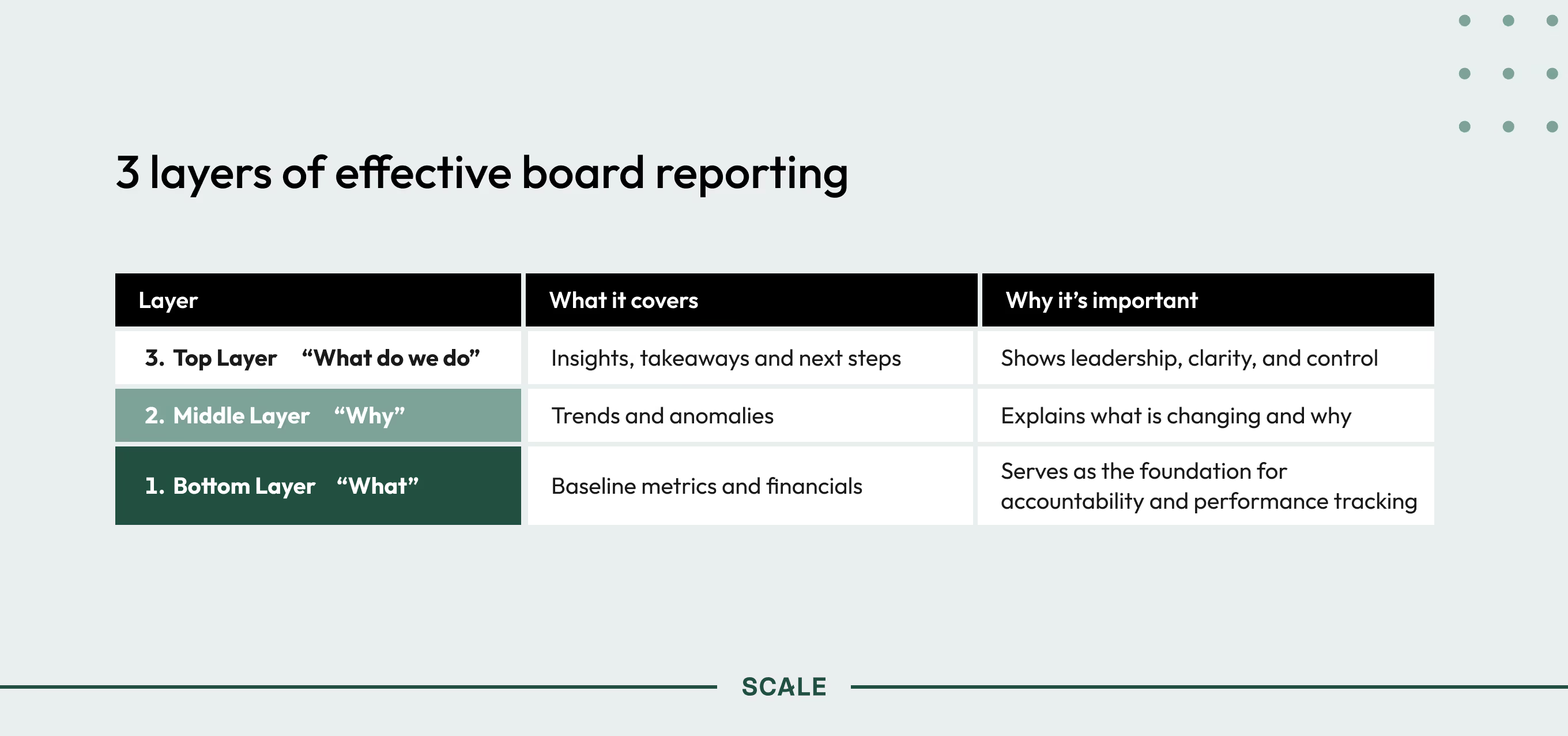
You will sometimes be the company canary in the coal mine, saying, “Here’s what we’re seeing, we’ve got a pipeline shortage, and here’s what we’re doing about this.” Knowing there’s a churn issue is a baseline requirement. Knowing the levers your company can pull and organizing the executives to act on it is what sets you apart and demonstrates a deep understanding of the gears of the business.
5 key slides
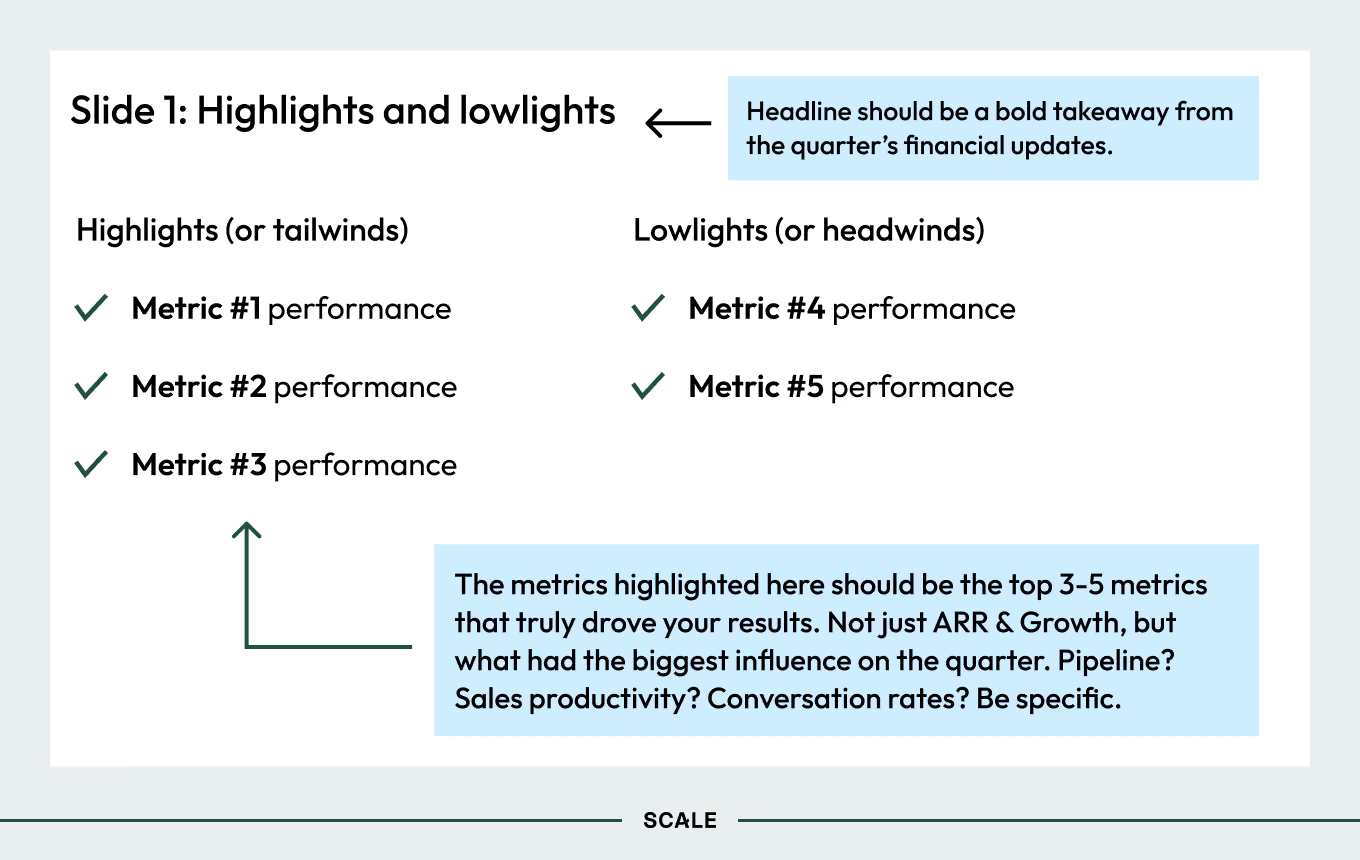
With all that covered, let us discuss five simple finance slides you should include in every board deck.First, present highlights and lowlights—just a few bullet points each, with a slide headline that serves as a bold summary for the quarter’s financial updates. Always use that headline wisely to make an affirmative statement. It is valuable real estate.
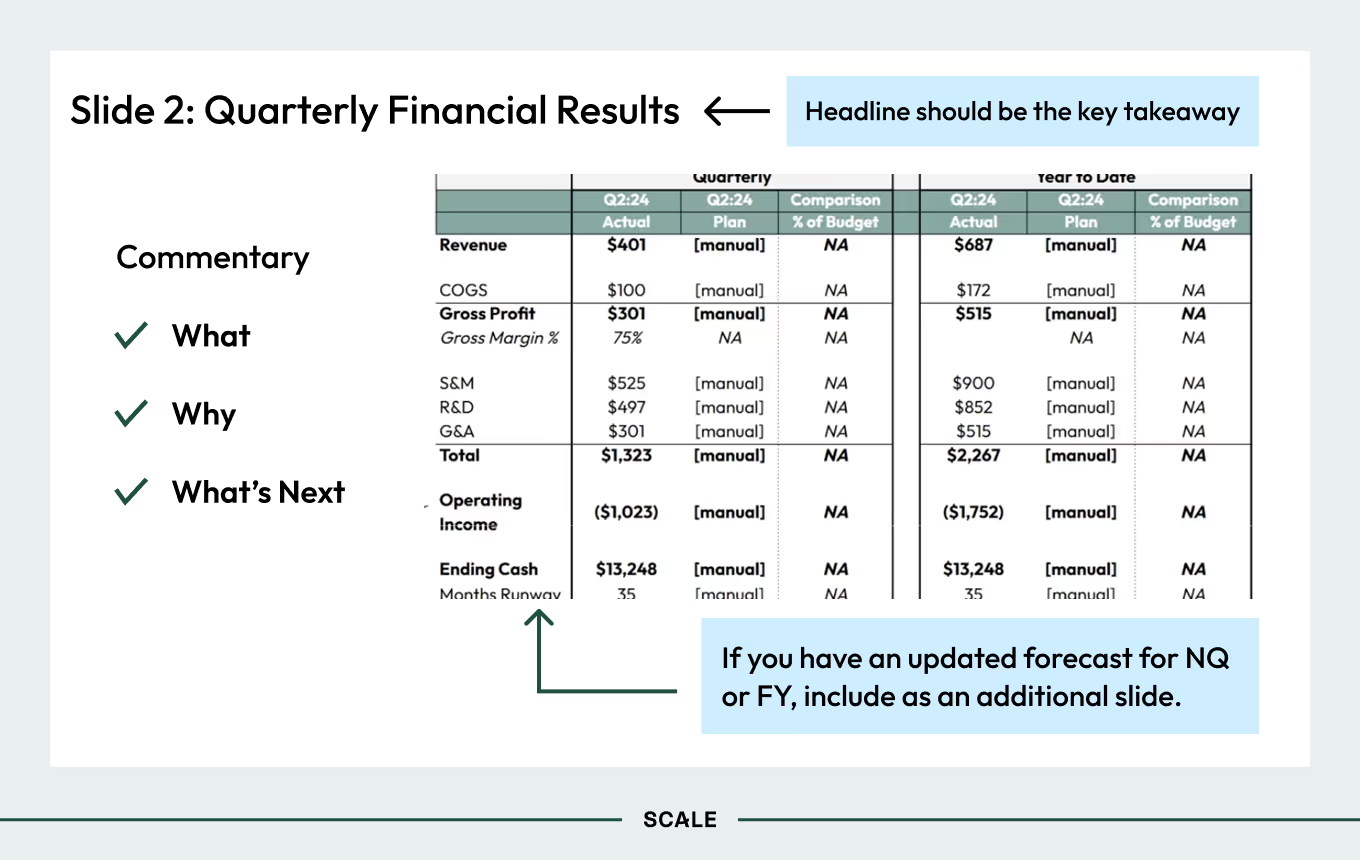
Then present the quarter’s financial reports, which as you can see, are a version of your profit and loss statement (P&L).
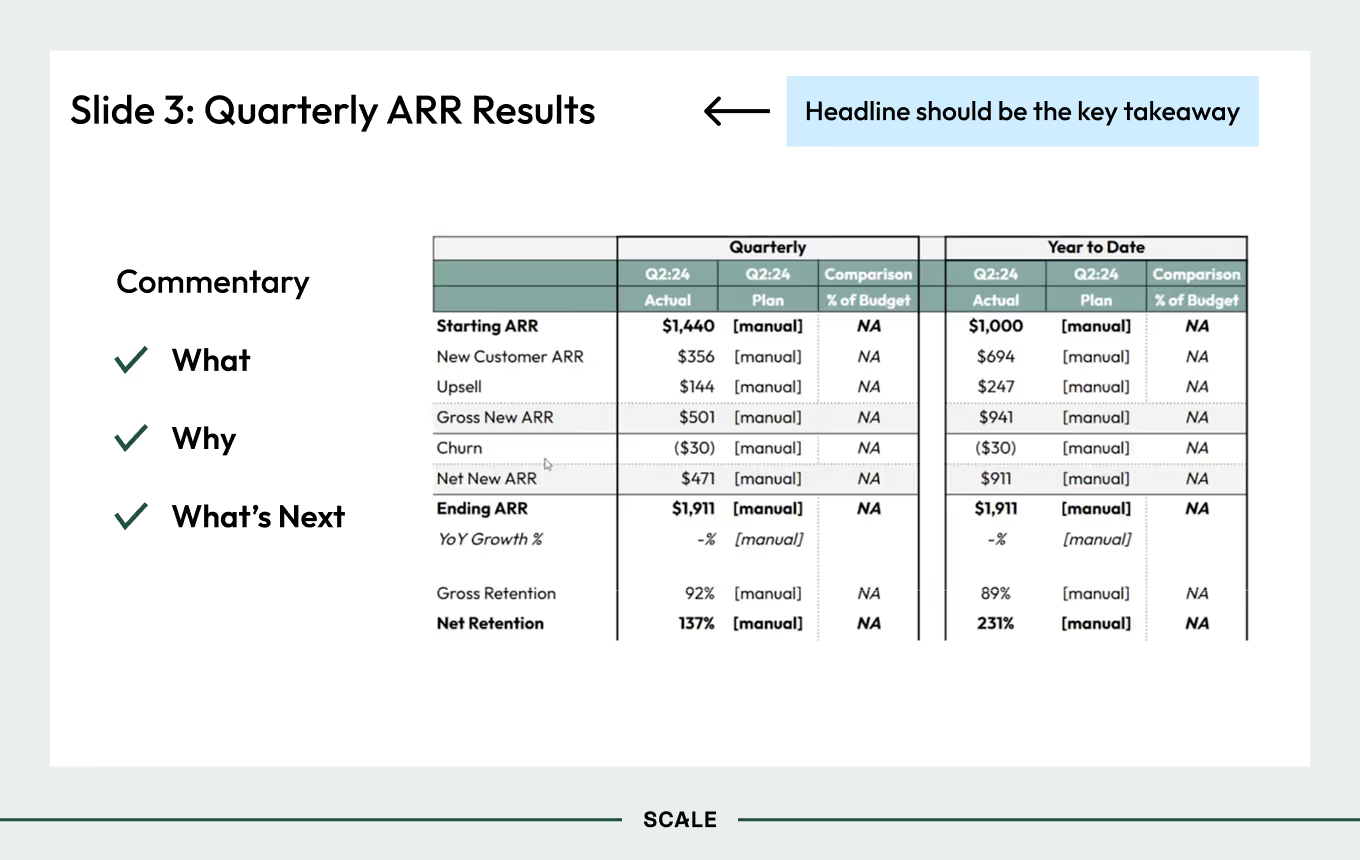
In your quarterly ARR results, always include gross and net retention. This can tee up in-depth conversations for your go-to-market leaders later on. For example, “Here are the numbers, and we’ll cover the full plan to address the churn issue later in the go-to-market section.”
Use the last two slides to report on other important operating metric trends, including sales and marketing efficiency, pipeline, and quota performance.
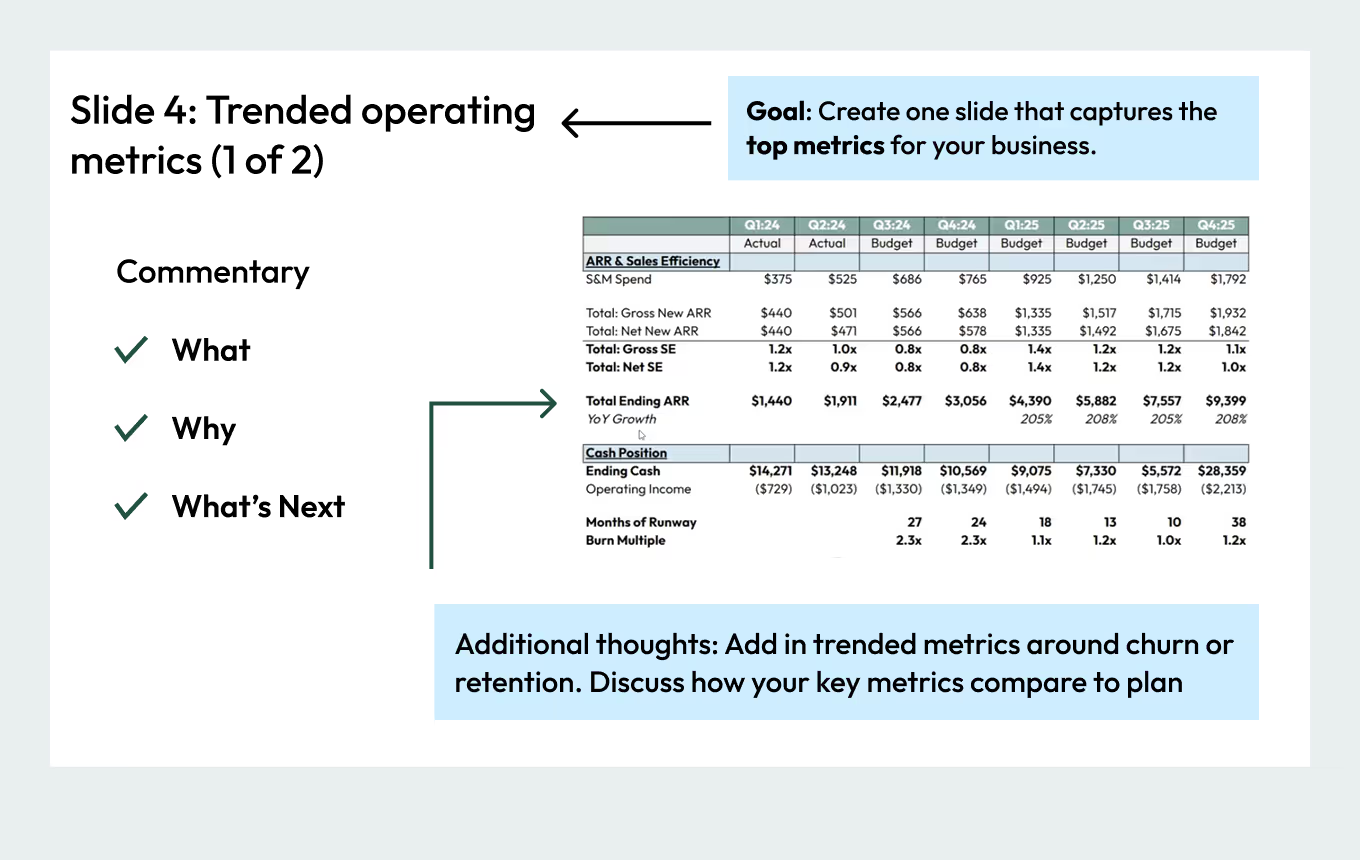
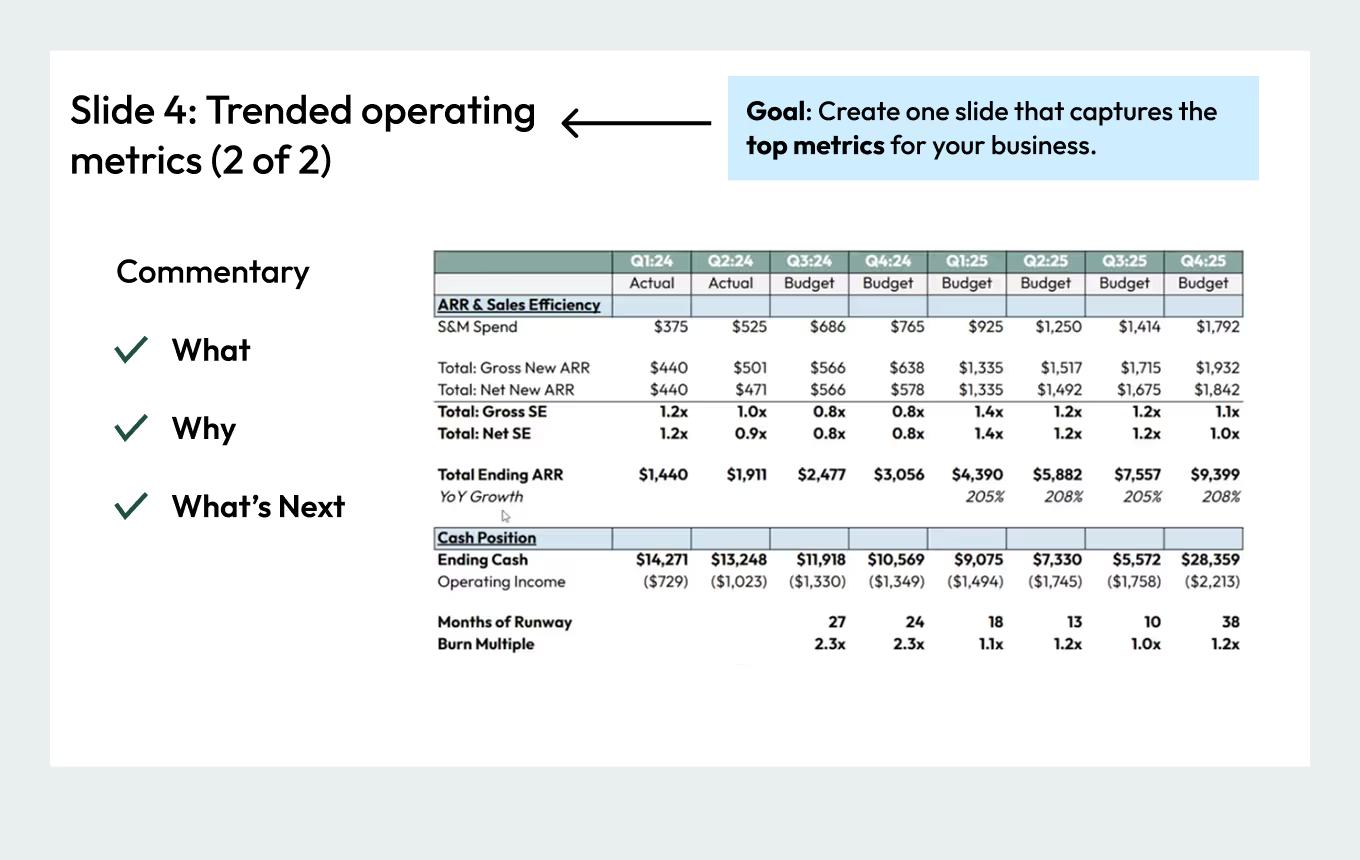
M.G. encourages you to use your appendix liberally. Demote everything nonessential there, such as your cash flow statement, GAAP financials, and metrics, so you can keep these slides to just a clear financial story that the board can follow. If they have questions, they will ask.In addition to these finance slides, we now have a complete set of templated slides for the entire board deck, including a robust set of GTM-focused slides. Each slide carries a label indicating whether it is appropriate for all companies to use, or better left to larger / more sophisticated organizations. We encourage you to choose only those slides that make the most sense for your business, and to relegate all else to your appendix.
Polish is a signal of rigor
M.G. Thibaut has run finance teams at DroneDeploy, Copper, Ruby Ribbon, Yahoo, and elsewhere, and believes strongly that even your font choice says something about how you run that finance operation. Carefully proofread and fact-check and give your deck a consistent design style. Create a style guide, stick to it, and keep all numbers in 12-point font or greater so it’s readable, no matter where the board dials in from.And a final note: No matter what, preparing the financial portion of your board deck is always a bit of a rush. You will spend more time on it than you want. But this is natural. It is an exercise in understanding the business, and that time is usually well spent.
News from the Scale portfolio and firm