Building a great B2B case study
Framework for creating B2B case studies: customer selection, story structure, metrics, and distribution strategy.
What makes a case study great?
A high-impact case study balances narrative and data, substance and storytelling. The best case studies have these five characteristics:
- Clear strategic focus: The case study aligns with your ICP and demonstrates success in a way that is relevant to future buyers.
- Structured but human storytelling: It includes a clear before-and-after arc, with a customer “champion” to humanize the story.
- Real outcomes, not fluff: Quantified results and relevant KPIs are essential, not just “happier teams” or “faster decisions.”
- High-quality media and design: Visuals, product screenshots, customer logos, and (ideally) short video snippets elevate credibility and keep attention.
- Repurposable assets: A great case study can be broken into multiple formats: slides, quotes, social snippets, video cuts, event banners, and sales enablement collateral.
Six steps to building a case study that converts
1. Start with the right customer
Not every happy customer makes a great case study. Choose one that:
- Is similar in profile to your target audience
- Has a strong advocate internally (your champion)
- Can demonstrate measurable results from using your product
- Is comfortable being named and quoted
Secure written permission to use their name, logo, and imagery upfront. If you can’t get customers to give this permission, consider hosting customer awards or anonymizing case studies. Even in the most regulated and competitive of industries, marketers find a way to document case studies–creative in your approach.
2. Frame the narrative
A strong case study follows a simple arc:
- The customer: who they are, what they do, and why they matter
- The challenge: what problem they faced and why it mattered
- The solution: how they used your product to solve it
- The results: what changed and why it’s meaningful
Keep it punchy. Let quotes and data tell as much of the story as possible. Some suggested questions to elicit these are given below.
3. Highlight the champion
Your internal advocate (often the buyer or power user) is the hero. Feature them visually and contextually:
- Include a headshot, name, title, and short bio
- Use direct quotes, ideally captured over a short interview
- If possible, add a 30-60 second video clip. This adds authenticity and creates an emotional connection with the viewer
Ideally, the champion should be so pleased with how you present their story that they help you in securing internal permissions and approvals.
4. Make it visual
While story is primary, design matters. Today’s best case studies include:
- Screenshots of the product in action
- Photos or videos of the customer’s team or facility
- Logo treatments and pull quotes
- Data callouts with bolded results
- A clear, branded layout
Great visuals are not decoration: they improve clarity, scannability, and perceived quality.
5. Quantify the results
Include real numbers and timeframes, quantifying one or more of the following:
- Revenue impact
- Productivity gains
- Time savings
- Conversion increases
- Cost reduction
Don’t bury the facts. Highlight these in callouts or infographics. A “results at a glance” box at the top of the case study can work well for this purpose.
6. Enable easy repurposing
Make the case study usable across channels, and encourage teams to repurpose it:
- Encourage the CEO and leadership share the story in LinkedIn
- Highlight customer quotes that can be used in LinkedIn messages or nurture emails
- Create a short slide-deck version for sales
- Create video testimonial clips (or even a full customer story video)
- Turn it into a blog post or speaker submission
A single case study can power a dozen assets if designed with reuse in mind.
Interview questions to guide case study development
Customer questions
- What does your company do, and what’s your role?
- Who do you serve, and what’s your biggest priority right now?
Challenge questions
- What was happening in your business that led you to seek a solution?
- What wasn’t working with your previous approach?
- How did this challenge affect your team, goals, or customers?
Decision questions
- Why did you choose us?
- Were there specific features or values that made us stand out?
Results questions
- What impact were you expecting and what are your results to date?
- Will there be productivity gains, cost reductions, or time savings? How large?
- Can you agree you’ve achieved X return on your investment?
Why bother with all of this? (Example from Anaplan)
When developed properly, case studies are the story architecture that connects your brand, your solutions, and your campaigns:
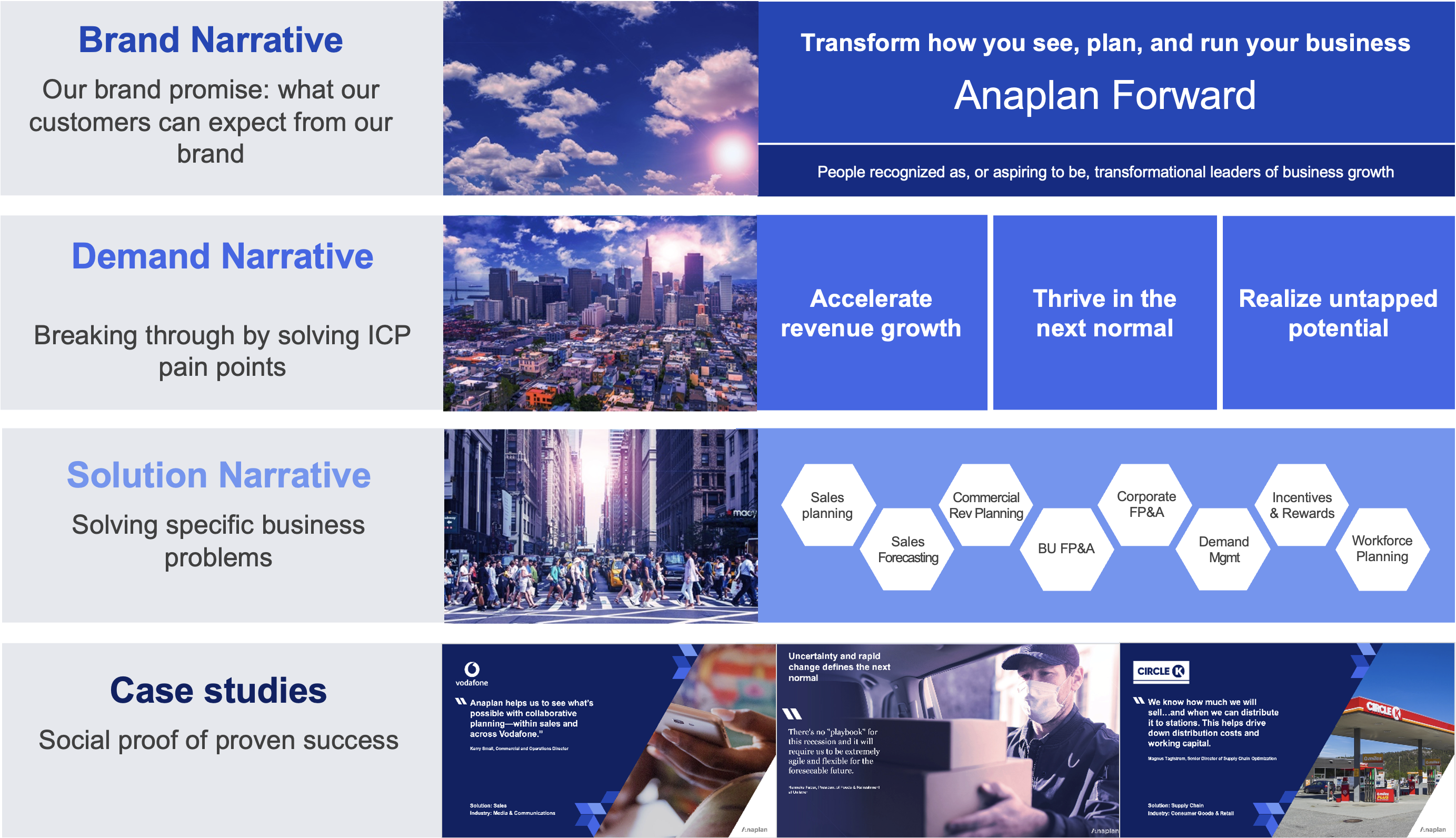
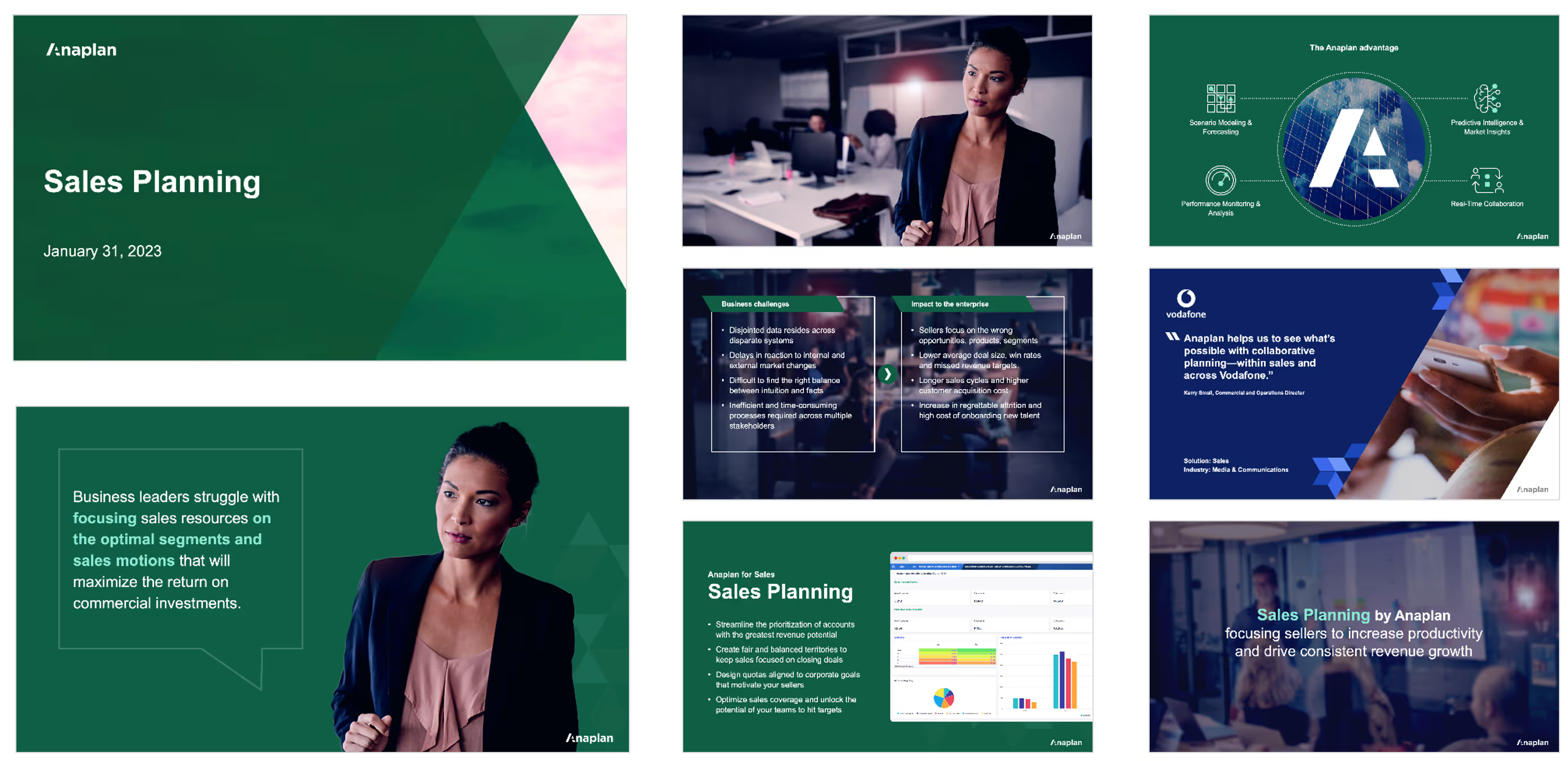
As a result, they are woven throughout solution descriptions:
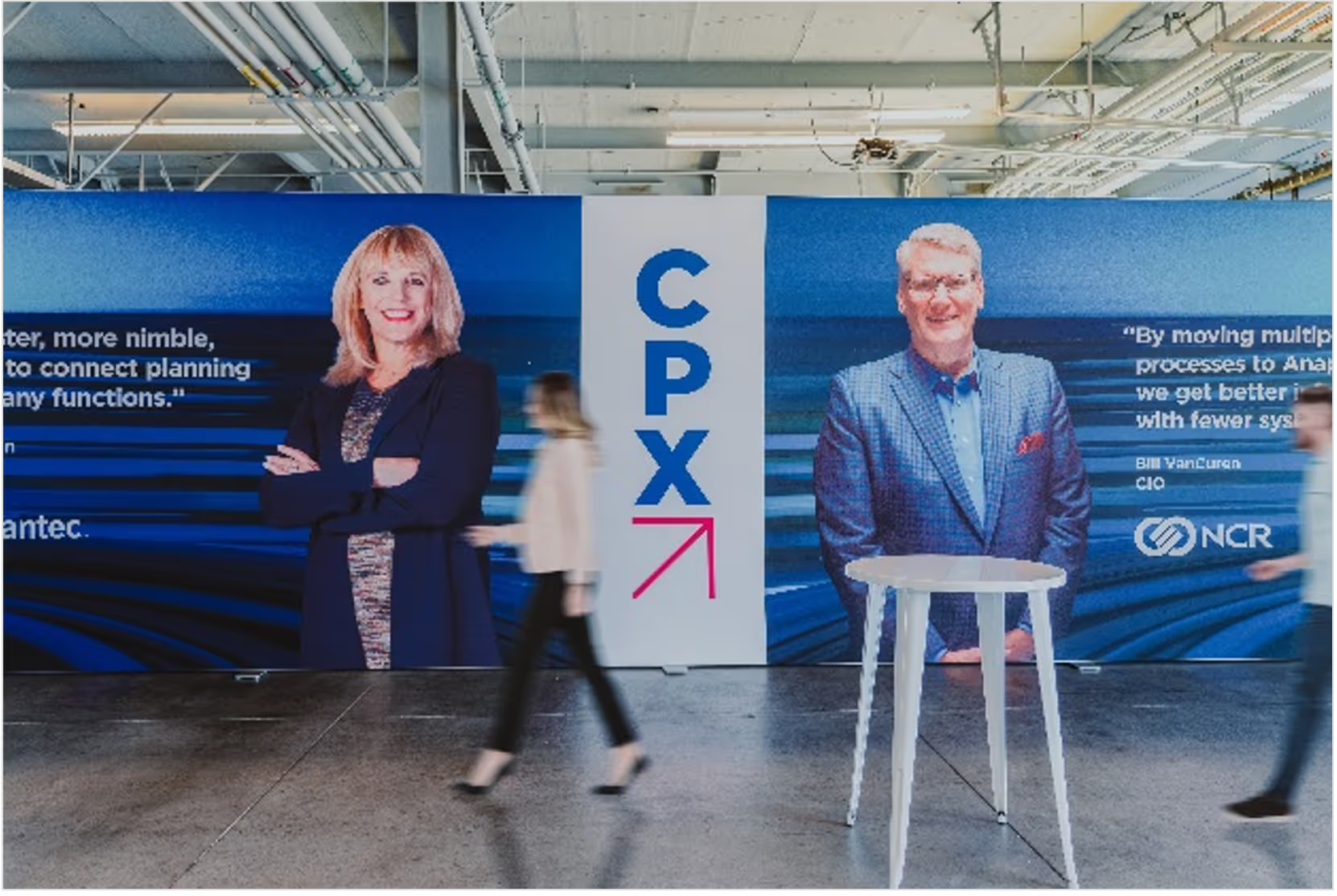
And deployed at events:
In short, their importance cannot be overstated. Furthermore, as AI messaging starts to flood the zone and confuse buyers, human-centric social proof will only become more critical going forward.
News from the Scale portfolio and firm